
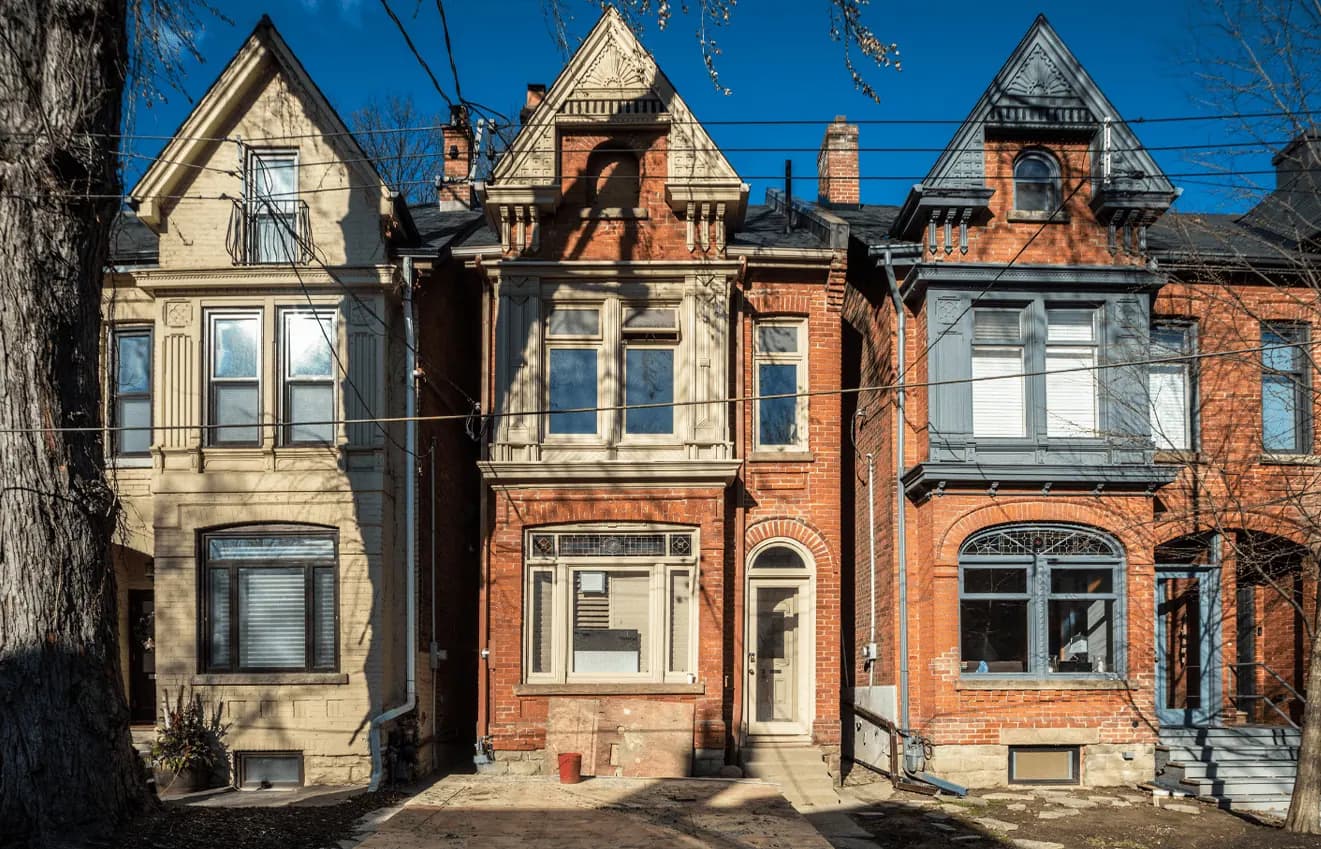
What is a Fixer-upper?
A fixer-upper house is an older property that requires substantial repairs and renovations to be liveable.
When it comes to buying a fixer-upper, it’s not something you should take lightly. It comes without saying that a fixer-upper house can come with a host of challenges, both financially and logistically. However, the rewards may far outweigh the challenges in the long run.
Here’s What you Need to Know Before Buying a Fixer-Upper House
Buying a fixer-upper house for renovation takes a lot of guts, especially if the renovation needs major repairs. Turning your fixer-upper into your dream house comes with gazillion obstacles to hurdle, financial and material. However, dealing with and overcoming these obstacles brings on much reward and makes the process more worthwhile. Let’s show you how.
Get a good real estate agent
Especially if you are a first-time homebuyer, having the right real estate agent will help you save a lot of money and keep you from unforeseen problems with your fixer-upper. The agent can help you in buying the ideal fixer-upper and guide you from planning to decision-making to moving in. A good agent is familiar with the local real estate market, laws and regulations of the Federal Housing Administration particularly on taking out a renovation loan or a home equity loan or a home improvement loan.
They can guide you in drawing up your renovation budget, be your financial planner and in your house hunting for the right price of your dream home. They would know about conventional mortgages to help you save money, make the down payment or find a VA approved contractor, and meet all other needs.
Prepare yourself mentally
A plan is important, even crucial, in renovation projects. These take a significant amount of time and money; without a plan, your timeline would be prolonged and your budget has been blown out of proportion. To keep expenses within your budget as much as possible, you must know what is necessary from what you want to be done. Good contractors are always in demand so it is best to get professionals early on.
Barry Jenkins of Legacy Home Team @ LPT Realty can help you in choosing a professional contractor with a reputation for timely completion and keeping within the budget per square foot of your renovation project so that the construction fee you pay will be worth it. At some point, you’ll be needing the services of a professional, especially for electrical systems and plumbing and sewer lines, for the costs of doing those jobs per a certain square foot.
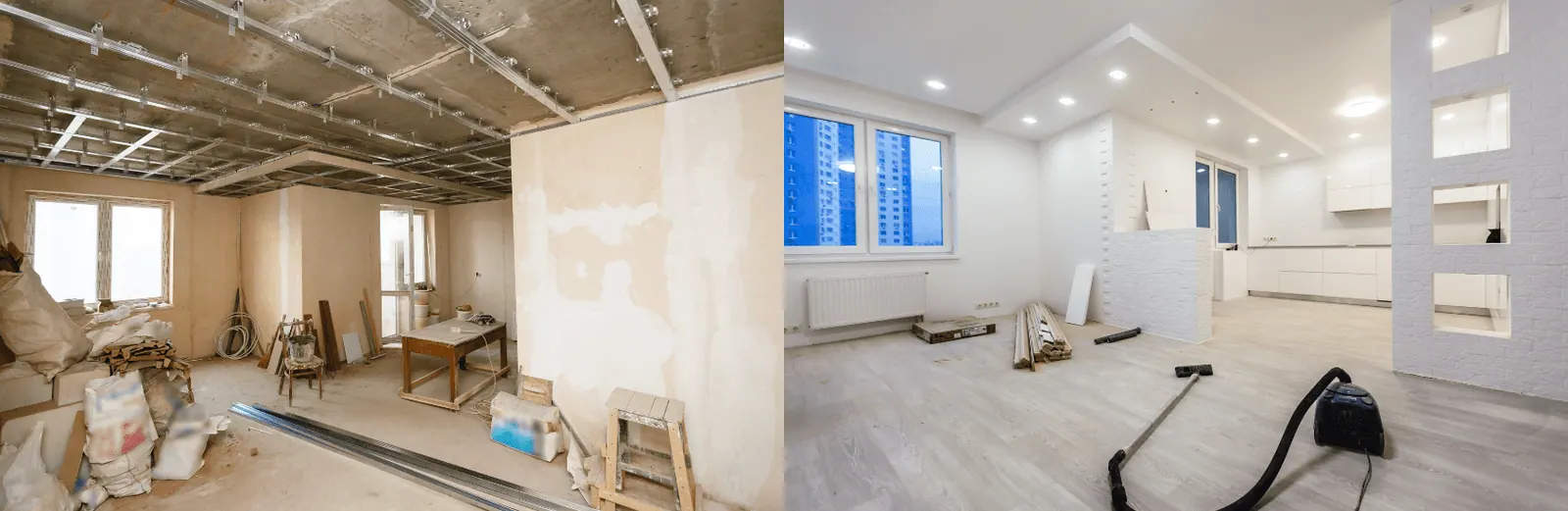
You have to prepare for unforeseen situations carrying unexpected costs, as well. Like securing city permits or weather conditions affecting repairs. Another unforeseen circumstance that is not improbable, is if you had already bought or paid the down payment on a foreclosed fixer-upper that hasn’t been vacated yet. You will have to deal with money and a time-consuming eviction process.
Consider your lifestyle
Would you be willing to live in a fixer-upper home while it’s being renovated, with your family of small children, or would you prefer to have a move-in ready house instead? Hammering, drilling, and all other renovation sounds are not helpful to a WFH situation. If you work outside the home would you feel at ease leaving your children at home undergoing repairs? Your joy at having your dream house becoming reality anytime soon would be diminished by your shattered peace of mind.
Location, location, location
This is a mantra in real estate – not just for house or home buyers, but all future buyers of property regardless of what it is for. Think of the surrounding homes and the neighborhood as a whole. You might have gotten a good deal for your fixer-upper and immediately made a down payment, only to realize later that the neighborhood you will move into is far from desirable.
The expertise of top agent Barry Jenkins of Legacy Home Team @ LPT Realty will come in again in this part of your home buying. He will be able to help you understand the neighborhood and its characteristics – if the property you’re interested in is near a busy intersection or a railway or landfill, the proximity to the schools your children would be entering, parks and recreation areas, shopping and dining choices, the safety and crime rate, etc.
At the same time, he can help you ascertain the ARV (after-renovation value) of your fixer-upper property by comparison with the home values of other properties in your area, that is the money worth of your home after the renovations.
Before settling to pay the closing costs, get a home inspector to do a specialized inspection of the following: pest inspection – if the fixer-upper has undergone damage from pest infestation, sewer lines – older homes’ sewers and septic tanks might need to be replaced, thermal imaging – to see flaws and weaknesses, especially in the structure, that would otherwise not be visible to the naked eye.
Secure the proper, required inspections
When you make your purchase offer or before you pay the down payment, it is wise to take along with you a good contractor or engineer.
These professionals have the trained and experienced eye to be able to identify flaws or weaknesses that could pose potential problems for you eventually. Not a cursory inspection if it’s in “good shape,” not the superficial defects like broken windows, paint, fixtures, etc. that can easily be fixed at no considerable amount.
This refers to the foundation, the structure’s “good bones,” insulation, overall structure. Specifically, the electrical, plumbing and sewer systems, roofing, heating system and air conditioning, bathrooms & kitchen, driveway/steps/deck.
Before you pay the cost to close your fixer-upper purchase, get a good contractor to make a specialized inspection, particularly pest inspection – if the fixer-upper had undergone pest infestation that caused damage which will require you to shell out additional money unnecessarily, sewer lines – the sewers and septic tank of old houses would need replacement or intense renovation, thermal imaging – for identifying flaws or weaknesses not visible to the naked eye, like insulation, heat loss or air leakage, moisture damage, electrical components.
Get the right funding for your fixer-upper house renovation
Homebuilders know that it will cost a lot of money to renovate fixer-uppers to turn into a dream house. The right financing is fundamental to your remodeling project. You will need to take out loans to meet the cost requirements. Real estate agents like Barry Jenkins of Legacy Home Team @ LPT Realty can guide you to the right financing source for your renovations, like the Freddie Mac Choice Renovation Loan, the FHA (Federal Housing Association) 203(k) Loan, the VA (Veterans Association) Loan.
Freddie Mac Choice Renovation Loan
The Freddie Mac guaranteed loan offers the mortgage option to roll remodeling costs into a single mortgage that can also be used to remodel or repair a house damaged by natural disaster or prevent future damage from a disaster.
Federal Housing Association Loan
The FHA Loan provides assistance to purchase a home or renovate a fixer-upper with one mortgage. The program also allows refinancing an existing mortgage plus the cost of renovation into the new loan. Generally, FHA loans also have the lower down payment and credit score requirements than standard mortgage payments.
Veterans Association Renovation Loan
The VA Renovation Loan, for military personnel and their spouses, can be used to purchase a fixer-upper and combine the purchase cost and the cost of repairs into the loan amount, on the condition that they get the services only of a VA-approved contractor.
Other renovation loans could be a home equity loan, a line of credit or a personal loan. Barry Jenkins can connect you to a knowledgeable mortgage lender to trim your options and help you choose the best financing type for your needs to meet your real estate target.
Conclusion
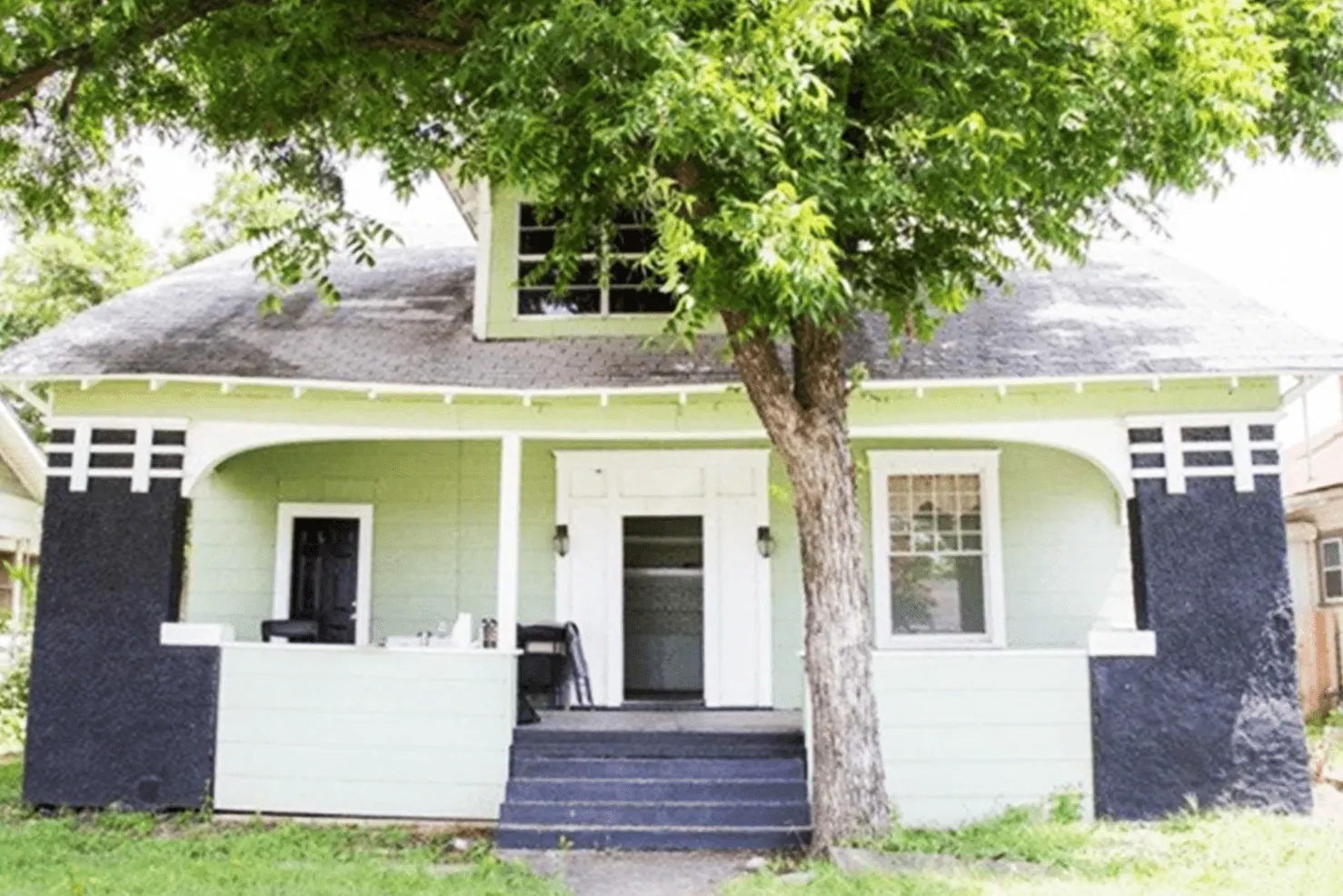
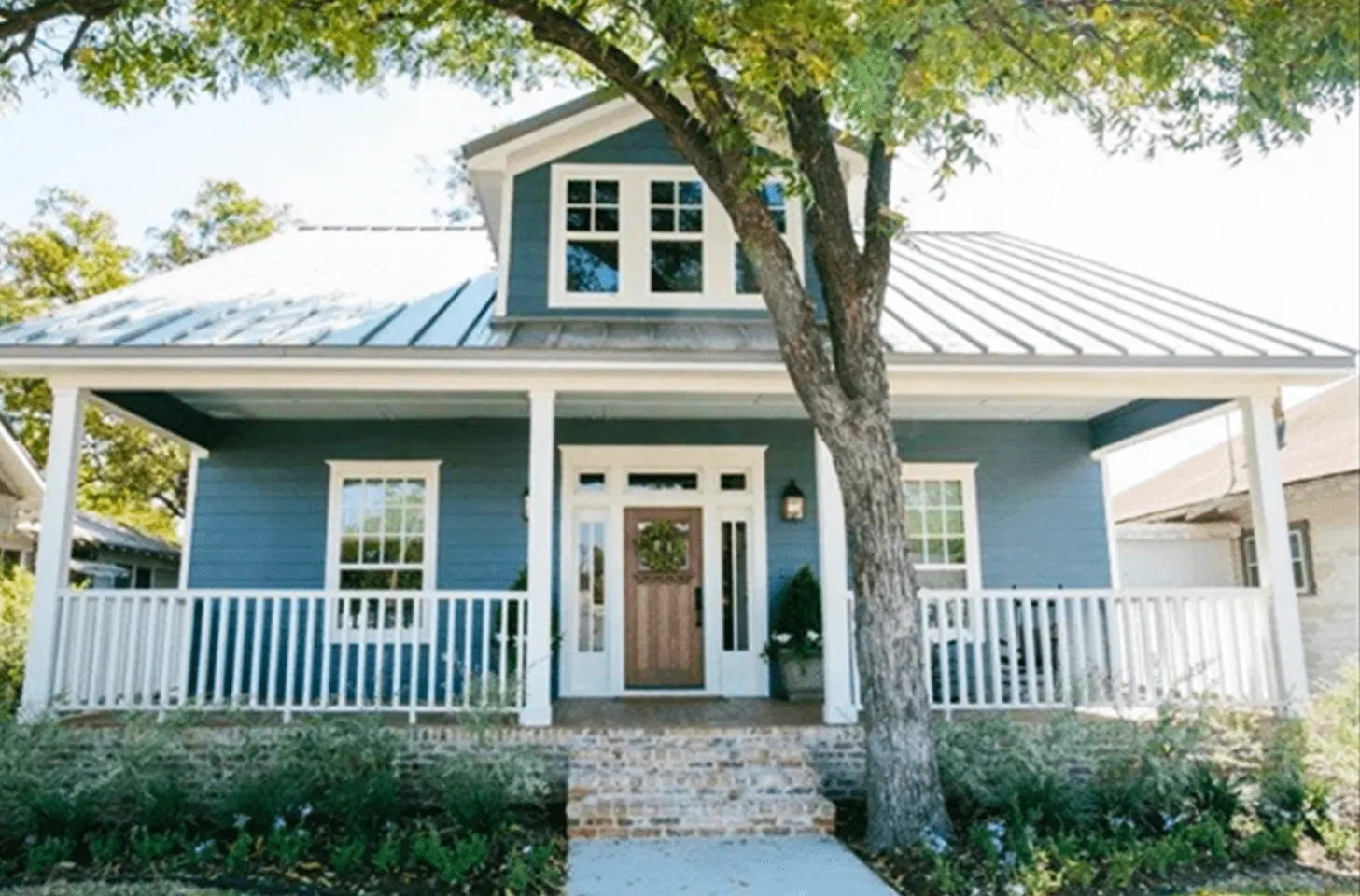
In conclusion, the reality is that a perfect fixer-upper does not exist. What can happen, though, is one that is perfect for you: your budget, your timeline, your lifestyle. So, you must be clear on what you want and can do – a major house revamp or some repairs before going to your move-in ready home.
Is it worth buying a Fixer-upper?
Buying a fixer-upper house could be a wise move at an investment, especially if it is a move-in ready home. However, if you don’t make the correct financial planning and cost estimates or skip those necessary inspections, you could fall into a deep money pit.
Meticulous choosing, buying and planning will turn the fixer-upper into a good investment, as can be proven in the stats of the real estate industry wherein renovation loan properties get values more than their total acquisition costs.
Also, fixer-uppers present a bargain-like entry into homeownership, especially for first-time buyers. As mentioned, successful renovation provides a higher appraisal of the house beyond the cost of purchase + renovation cost.
But, to reiterate, renovations do not always go as planned, putting you at immense financial risk. Do sufficient research, budgeting and preparation for any contingencies will minimize your risk!